
Santee Move-In Repair Checklist for Newer Homes
· By Igor de Deus Rodrigues
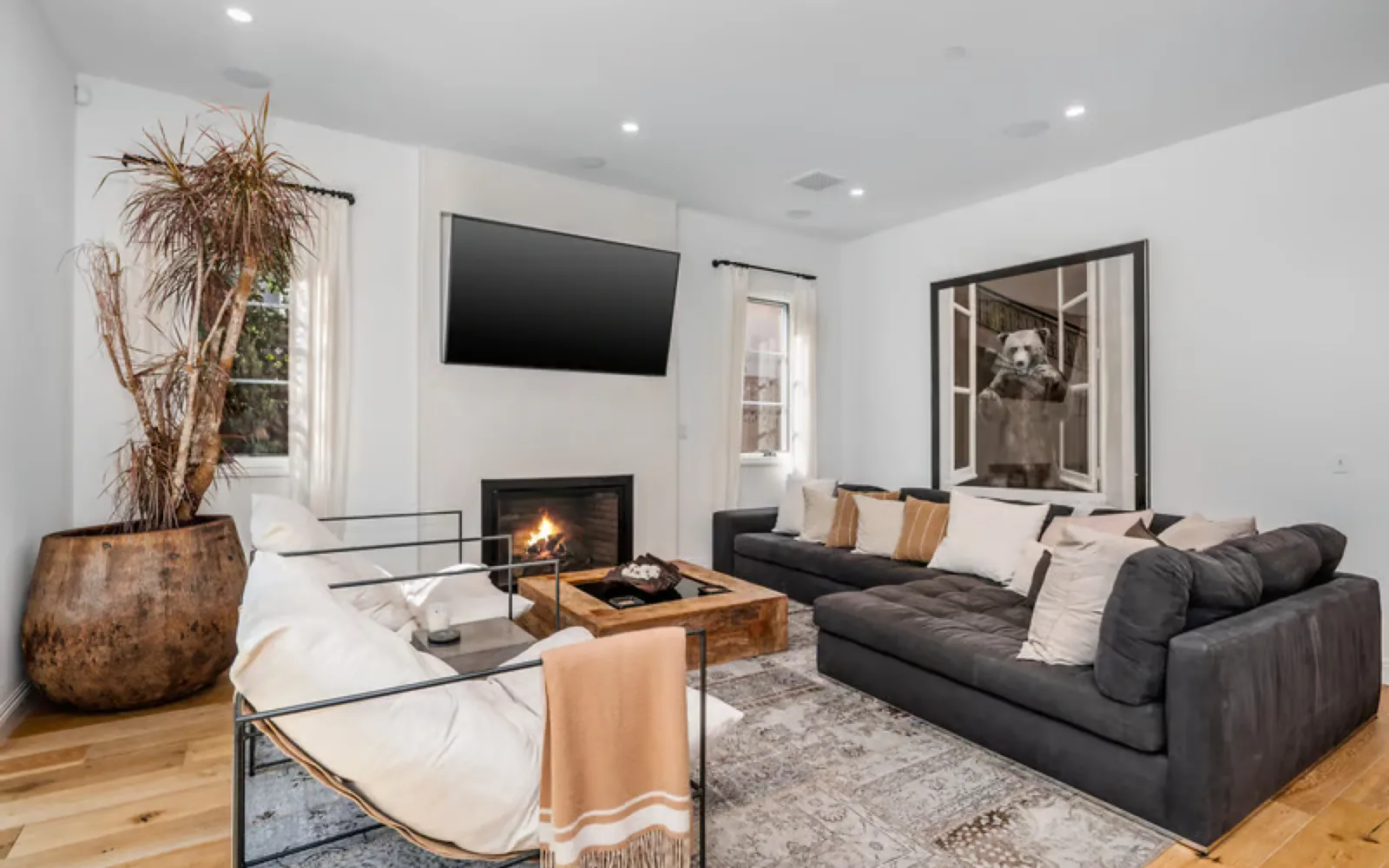
Santee has seen a lot of newer construction. Communities like Sky Ranch and Weston, plus the long-planned Fanita Ranch project, have added hundreds of homes, and older Santee neighborhoods keep turning over as families move in. A newer home is usually in good shape, but move-in week still comes with a long list: things to mount, furniture to build, small defects to catch and fixes the last owner never got to.
This checklist walks through what to look at room by room in the first few weeks after you move into a Santee home, what to fix before the boxes are unpacked, and which jobs are worth handing off so you can actually settle in.
Why even newer homes need a move-in punch list
New construction settles in its first years. Wood framing dries, doors shift slightly and drywall can show small nail pops or hairline cracks at corners. Builders often handle a list of items during an initial warranty period, so if your home is new, read your builder paperwork first and submit anything covered before paying for a repair.
Resale homes have a different story. The previous owner may have removed TV mounts and left holes, patched walls in a different paint sheen, or left cabinet doors and closet doors out of adjustment. Your home inspection report is a good starting list, but many small issues only show up once you live in the house.
Week one: safety and the basics
Before anything cosmetic, handle the basics. Rekey or replace exterior locks, since you do not know how many keys are out there. Test smoke and carbon monoxide alarms and replace batteries. Find the main water shutoff, the water heater and the electrical panel, and make sure you can reach them.
Check every exterior door for a solid latch and deadbolt, including the door from the garage into the house. Look under sinks for drips and test that each toilet stops filling. A running toilet or a slow drip under the kitchen sink is easy to miss in move-in chaos and can waste a lot of water over a month.
Living areas: TVs, shelves and wall hanging
TV mounting is usually the first job new homeowners want done. In newer homes, walls are typically drywall over wood studs, so a mount needs to go into studs or use anchors rated for the weight. Plan where the TV goes before you mount, check viewing height from the couch and think about where cords will run. Hiding wires inside the wall should use a kit designed for that purpose, since running a regular power cord inside a wall is not code compliant.
Shelves, mirrors, art and curtain rods follow. Heavy mirrors and floating shelves need solid anchoring. Measure twice and use a level, especially for gallery walls. Hanging everything in one visit is faster than doing it one weekend at a time.
Bedrooms and closets: furniture, doors and storage
Furniture assembly takes longer than the box suggests. Bed frames, dressers, wardrobes, desks and bunk beds all come flat-packed, and tall dressers and bookcases should be anchored to the wall to prevent tip-overs, which matters a lot with kids in the house.
Check closet doors next. Sliding closet doors jump their tracks, bifold doors come off their pivots and interior doors may rub after settling. Most of these are quick adjustments. Adding closet shelving or organizers is also easier before clothes go in.
Kitchen and bathrooms: caulk, cabinets and appliances
In the kitchen, open and close every cabinet and drawer. Newer cabinets usually have adjustable hinges, and a few turns of a screwdriver can line up doors that were never set right. Check soft-close slides and look under the sink for leaks at the disposal and dishwasher connections.
Appliances often arrive with the move. Installing a dishwasher, a garbage disposal, a range hood or a washer and dryer on existing connections is common handyman work. Adding new gas lines, new circuits or new plumbing runs is for licensed trades. In bathrooms, look at the caulk around tubs and showers. New homes sometimes have thin or gapped caulk lines, and fixing them early keeps water out of the walls.
Outside and the garage
Santee is inland and gets hot summers, so check weatherstripping on exterior doors and the seal under the garage door before the heat arrives. Make sure sliding doors roll smoothly and the screens are intact. Look at hose bibs for drips and confirm sprinklers are not spraying the house.
In the garage, plan storage early. Wall shelving and overhead racks go up much more easily before the space fills with boxes. Anchor shelving into studs, and leave garage door springs and openers to a garage door specialist.
Costs and getting it done
Move-in work is mostly small jobs, and the total depends on how many items are on your list. Many handymen charge by the hour or by the job, and booking one visit for TV mounting, furniture, door adjustments and caulking is typically more efficient than separate trips. Any price you see online is a general range; your actual number depends on your list.
Under California rules, a handyman without a contractor license can take jobs under $1,000 in combined labor and materials, with no permit required. Anything bigger or permitted belongs with a licensed contractor. Handmax offers a free quote and same-day appointments when available. Text a photo of your list or the wall where the TV should go to get a quick estimate.
Frequently asked questions
- Should I use my builder warranty before hiring a handyman?
- Yes. If your home is new, check your builder paperwork first. Items like drywall cracks, door adjustments or caulk gaps may be covered in the early period. Use a handyman for items that are not covered or for upgrades like TV mounting and storage.
- What should I fix first after moving in?
- Start with safety: rekey exterior locks, test smoke and carbon monoxide alarms, find the water shutoff and check for leaks under sinks and at toilets. Then move on to mounting, furniture and adjustments.
- Can a TV be mounted on drywall?
- Yes, as long as the mount is fastened into studs or uses anchors rated for the weight. Most newer homes have wood studs behind drywall, which makes a secure mount straightforward.
- Do I need to anchor dressers and bookcases?
- It is strongly recommended, especially with kids at home. Tall furniture can tip over, and anchoring it to a stud with a tip-over kit is a quick, inexpensive step.
- Can a handyman install my dishwasher or garbage disposal?
- Installing or replacing these on existing water, drain and electrical connections is common handyman work. New circuits, new gas lines or new plumbing runs need a licensed trade.
Found this helpful? Make us a preferred source on Google.
Ready for an exact price?
Get a free, no-pressure in-home estimate. Real numbers for your home, not a phone guess.