
How Much Does TV Mounting Cost? Wall Types, Sizes and Wire Hiding
· By Igor de Deus Rodrigues
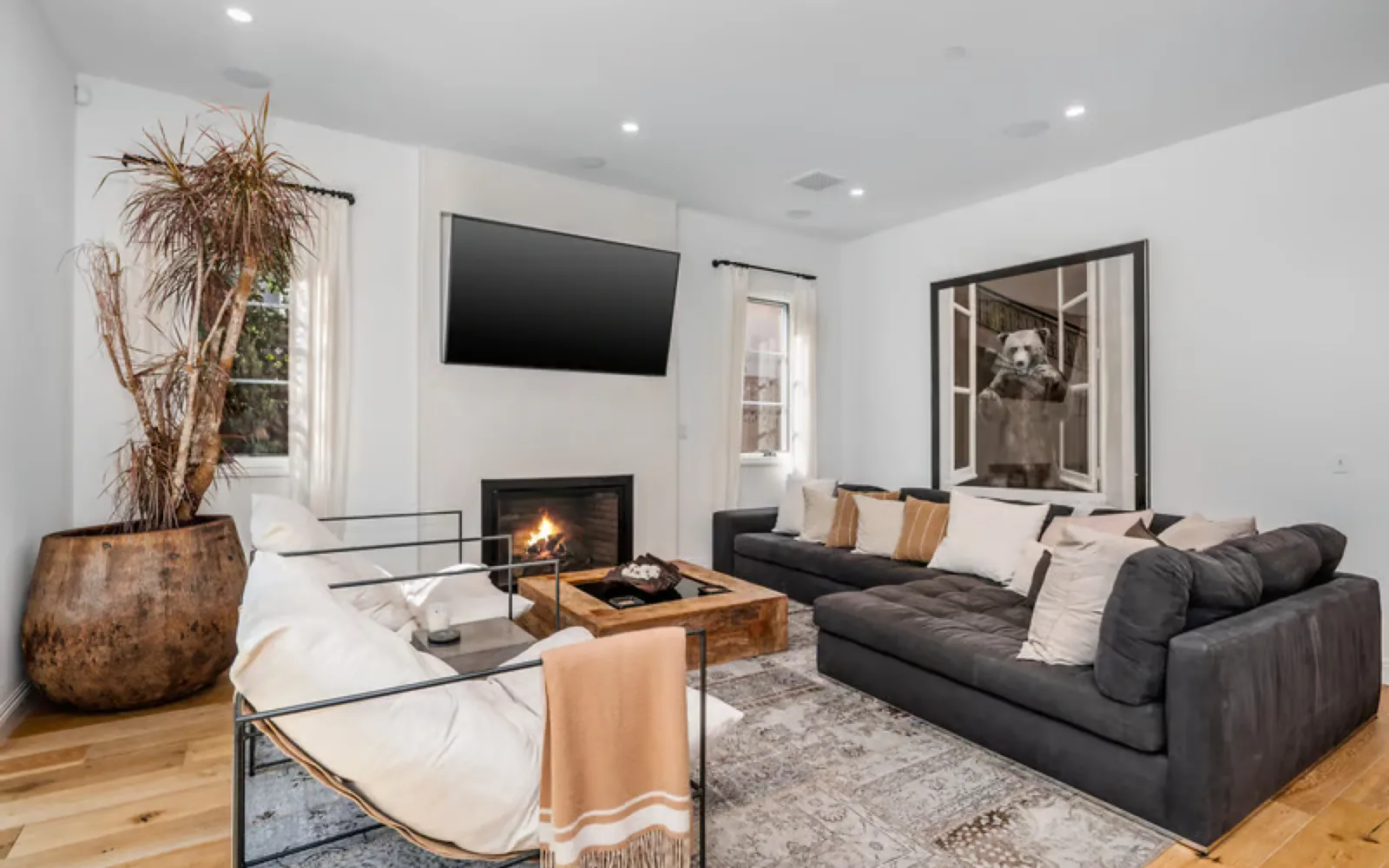
Mounting a TV looks simple: a bracket, four bolts and you are done. In practice, the price of TV mounting depends on three things that change from one home to the next: what your wall is made of, how big and heavy the TV is, and what you want to do with the cables. A basic install on a standard drywall wall is a short job. A large TV over a brick fireplace with hidden wires is a very different one.
This guide walks through the typical cost of TV mounting, what moves the price, how to choose a mount, and what you should and should not do with wires. The numbers are general market ranges to help you budget, not a quote.
Typical TV mounting price ranges
For a standard install on drywall with wood studs, using a mount you already own, most homeowners typically pay somewhere around $100 to $250 for labor. Larger TVs, full-motion arms and hard wall surfaces push that higher. Mounting on brick, stone, tile or concrete often adds a noticeable amount because it takes masonry bits, special anchors and more time.
Wire hiding is usually priced as an add-on. A paintable surface raceway (a slim channel on the wall) is the cheaper option. Running cables inside the wall with a proper in-wall kit costs more, often adding $100 to $300 or more depending on the wall and the distance. If the provider supplies the mount, add the cost of the bracket itself.
Many people also bundle other wall hanging in the same visit, like a soundbar, shelves, mirrors or art. Bundling usually saves money compared to booking each job separately, since the setup and travel are already covered.
Wall type: the biggest factor
Drywall over wood studs is the easiest and most common case. The mount gets lag bolted into at least one stud, ideally two, which gives a strong hold for most TVs. Metal studs, found in some condos and newer buildings, need different hardware such as heavy-duty toggle bolts rated for the load.
Plaster and lath walls, common in older homes, can crack if drilled carelessly and the studs are harder to find. Brick, stone and concrete are strong but take longer: holes must be drilled into solid masonry (not the mortar joint, ideally) with sleeve or wedge anchors. Tile over drywall needs a special bit to avoid cracking the tile.
This is why a photo of the wall helps so much when asking for a price. One picture tells an installer most of what they need to know.
TV size, weight and mount type
Most TVs between 43 and 65 inches are light enough for one installer to handle with care, though two people make it safer. Very large TVs (75 inches and up) are heavier and awkward, and the mount must be rated for the weight and the VESA pattern on the back of the TV.
There are three main mount types. Fixed mounts hold the TV flat against the wall and are the simplest and cheapest. Tilting mounts let you angle the screen down, which helps when the TV sits higher. Full-motion (articulating) mounts let you pull the TV out and turn it, which is great for corners or open rooms, but they put much more leverage on the wall and must be anchored into studs or solid masonry.
A good rule: the center of the screen should sit near eye level when seated, which is often lower than people expect. Over a fireplace, a tilting or pull-down mount helps with neck strain.
Hiding the wires: safe options and what to avoid
The cleanest look is cables running inside the wall from behind the TV down to the media area. For this, use an in-wall rated kit and cables rated for in-wall use. A standard TV power cord should never be run loose inside a wall, because it is not rated for that and creates a fire risk. Purpose-made power kits exist so the TV plugs into a recessed outlet behind the screen; they must be installed per the manufacturer instructions.
Adding a brand new electrical outlet or circuit is electrical work and should be done by a licensed electrician, and it may need a permit. A handyman can handle the mounting, low-voltage cables (HDMI, speaker, network) and paintable raceways, but should not be adding new household wiring.
Surface raceways are a solid choice when the wall has firestops, insulation or masonry that makes in-wall routing hard. Painted to match the wall, they are much less noticeable than loose cords.
What a good install includes
A solid TV mounting job includes locating studs (and confirming them, not guessing), checking for pipes and wires before drilling, using the bolts rated for the mount, leveling the bracket, attaching the TV securely, and testing tilt or swivel. The installer should also tidy the cables and leave the area clean.
Ask what is included before booking: Does the price cover the mount? Wire hiding? Soundbar? Removing an old mount and patching the holes? Those details are where quotes differ most.
DIY or hire it out?
If you have a stud finder, a level, a drill and a helper, mounting a mid-size TV on drywall with a fixed mount is a reasonable DIY project. Hiring makes more sense for large TVs, full-motion arms, masonry or tile walls, fireplaces, high placements and in-wall cable routing, where a mistake can mean a cracked wall, a damaged TV or worse.
In California, a handyman without a contractor license can do jobs under $1,000 total for labor and materials with no permit required, which covers nearly every TV mounting job. In the San Diego area, Handmax offers free quotes and you can text a photo of the wall and the TV model to get a fast price, often with a same-day slot available.
Frequently asked questions
- How much does it cost to mount a TV on drywall?
- For a standard install on drywall with wood studs and a mount you supply, labor typically falls somewhere around $100 to $250. Larger TVs, full-motion mounts and wire hiding add to that.
- Does mounting a TV on brick or a fireplace cost more?
- Usually yes. Masonry takes special bits and anchors and more time, and fireplaces often need a tilting or pull-down mount for comfortable viewing. Expect a higher price than a standard drywall install.
- Is it safe to run the TV power cord inside the wall?
- No. Standard power cords are not rated for in-wall use. Use a purpose-made in-wall power kit installed per its instructions, or have a licensed electrician add an outlet behind the TV.
- How long does TV mounting take?
- A basic install on drywall usually takes about an hour. Masonry walls, large TVs, soundbars and in-wall cable routing can add one to two more hours.
- How high should a TV be mounted?
- A common guideline is to place the center of the screen close to seated eye level, roughly 40 to 45 inches from the floor in many living rooms. Higher placements work better with a tilting mount.
Related services
Found this helpful? Make us a preferred source on Google.
Ready for an exact price?
Get a free, no-pressure in-home estimate. Real numbers for your home, not a phone guess.