
Keeping an El Cajon Home Cool and Sealed: Heat-Season Repair Guide
· By Igor de Deus Rodrigues
El Cajon sits in an inland valley, and it feels like it every summer. While the coast stays mild, the valley regularly runs well into the 90s in July and August, and a few days a year push past 100. Your air conditioner, fans and window coverings carry most of that load, but the house itself decides how hard they have to work. Small gaps around doors, tired caulk around windows and torn screens let hot air in all afternoon and let cooled air leak out all night.
This guide covers the heat-season repairs that make the biggest difference in a typical El Cajon home, what you can check yourself in an afternoon, and where a handyman saves you time. None of it is a remodel. These are small, practical fixes that add up when the thermometer climbs.
Why heat hits El Cajon homes harder
Inland San Diego County has a different climate than the beach towns. El Cajon is often described as semi-arid, with bigger swings between day and night and hotter summer afternoons. Long, sunny days bake west and south facing walls, and the heat soaks into the house for hours after sunset. Fall can bring Santa Ana winds that push hot, very dry air through any opening in the building.
Much of the housing in the valley is several decades old: single-story ranch homes, stucco tract houses and older condos and apartments. Homes of that age usually have original or long-since replaced weatherstripping, aluminum or early vinyl windows, and exterior doors that have settled over time. None of that is a problem by itself, but each small gap is a place where your cooling escapes.
Start with the doors: weatherstripping, sweeps and thresholds
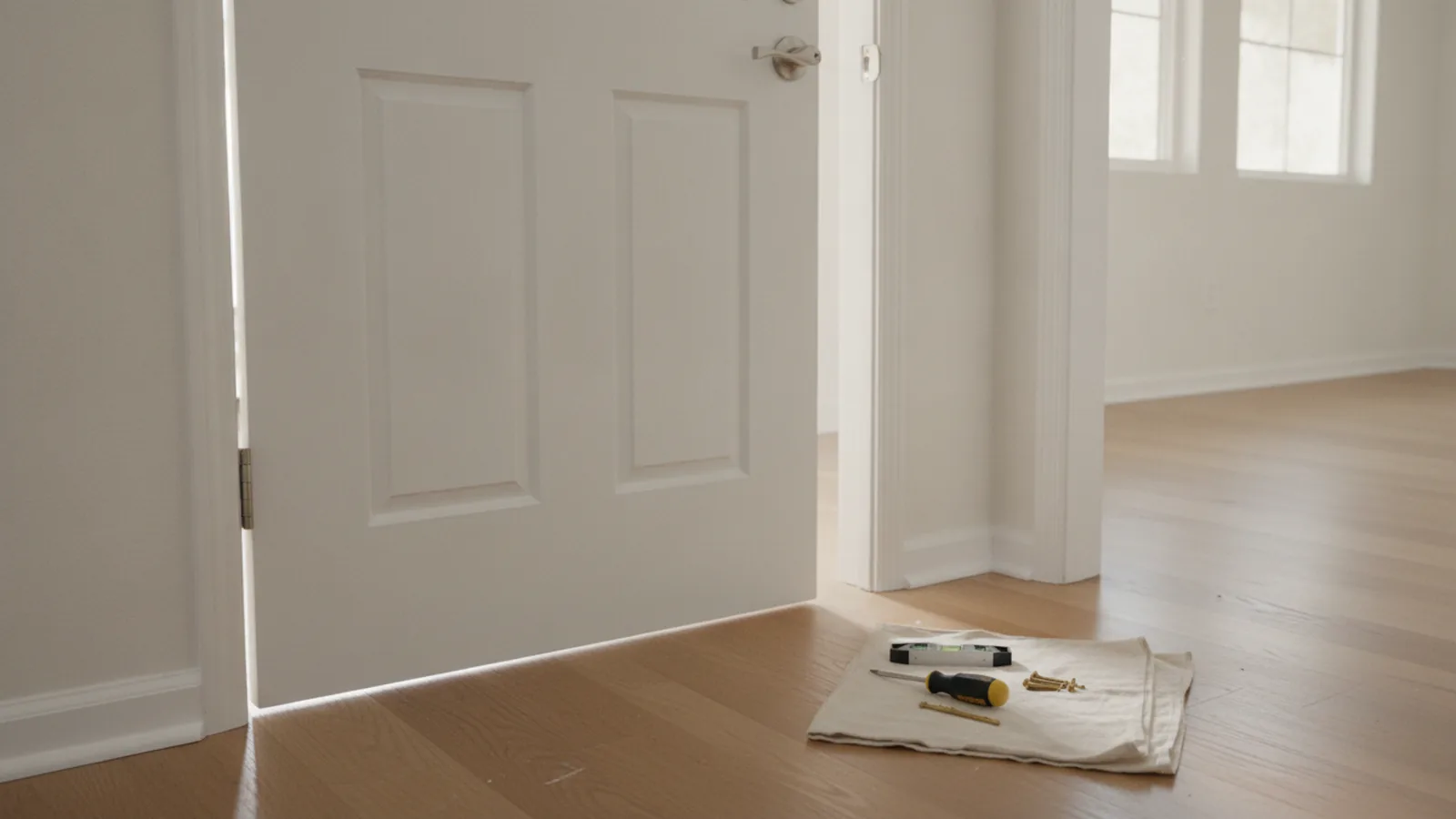
Exterior doors are the most common leak point. Close each door on a sunny afternoon and look for daylight around the edges. If you can see light at the top corners or along the latch side, the weatherstripping is worn, flattened or missing. A door sweep that no longer touches the threshold leaves a gap at the floor that can let in as much air as a small open window.
Replacing weatherstripping and door sweeps is a quick job when the door is square in its frame. When it is not, the real fix comes first: tightening or shimming hinges, adjusting the strike plate and making sure the door closes evenly. A door that has to be slammed to latch will chew through new weatherstripping in a few months. Garage entry doors and side doors are often forgotten, and they matter just as much, especially if the garage gets hot.
Windows: caulk, screens and the afternoon sun
Walk around the outside of the house and look at the caulk where window frames meet the stucco. Cracked, shrunken or peeling caulk is common after years of sun and lets hot air and dust work their way inside. Removing the old bead and running a fresh, exterior-rated sealant is one of the cheapest efficiency upgrades a home can get.
Screens matter more than people think. A torn or bent screen means the window stays shut on cool evenings when you could be flushing heat out of the house. Many El Cajon homeowners also add solar screens or exterior shades on west-facing windows. Rescreening frames, replacing bent frames and installing ready-made shades are all small jobs. Inside, sturdy curtain rods and blackout curtains on the sunniest windows help a lot, as long as they are anchored properly in drywall.
Sliding patio doors that do not seal
Sliding glass doors are everywhere in the valley, and they are often the weakest seal in the house. When the rollers wear out, the panel drops, drags on the track and stops meeting the weatherstripping on the jamb. You end up with a door that is hard to open and leaks hot air when it is closed.
Cleaning the track, adjusting or replacing the rollers and replacing the pile weatherstripping usually brings a slider back to life. Check the screen door too, since a smooth screen slider is what lets you use that opening for cross ventilation in the evening. If the glass itself is fogged or the frame is damaged, that is a window or glass company job, not a handyman one.
Inside the house: small fixes that help your cooling
A few interior tasks support everything above. Replace your HVAC filter on schedule (a clogged filter forces the system to run longer), keep supply registers clear of furniture and check that return vents are not blocked. Interior doors that drag or will not stay open can block airflow between rooms, and a simple hinge adjustment often solves it.
Some jobs belong to other trades. Servicing the air conditioner, adding insulation, running a new circuit or installing a new ceiling fan where none existed are work for an HVAC company, an insulation contractor or a licensed electrician. A good handyman will tell you when a job is outside their lane instead of guessing.
Before and after summer: a simple timeline
Late spring is the best time to do this work, before the first long heat wave. That is when you have mild days to leave doors open while weatherstripping is replaced and caulk has time to cure in moderate temperatures. A quick spring checklist: inspect door seals, check window caulk on the sunny sides, repair screens, service the slider and swap the HVAC filter.
Early fall is the second window. After the summer, look again at anything that got hammered by the sun, and pay attention before Santa Ana season, when dry wind finds every gap. Small repairs done on schedule cost far less than a summer of higher bills or an emergency call on the hottest day of the year.
What these repairs typically cost
Most of the jobs in this guide are small. Many handymen in San Diego County price work like this by the job or by the hour, and the total usually depends on how many doors and windows are involved, the condition of the frames and the materials you choose. Replacing weatherstripping and a sweep on one door is typically a short visit, while a whole-house caulking and screen refresh takes longer.
Under California rules, handymen without a contractor license are limited to jobs under $1,000 total for labor and materials, with no permit required, so it makes sense to group small fixes into one visit and keep bigger projects with a licensed contractor. Handmax offers a free quote, and the fastest way to get one is to text a photo of the door, window or slider you want fixed.
Frequently asked questions
- How do I know if my door weatherstripping needs replacing?
- Close the door on a bright day and look for daylight around the frame and under the door. If you see light, feel a draft or notice the seal is flattened, cracked or loose, it is time to replace it. A door that will not latch without slamming usually needs an adjustment first.
- Does caulking windows really make a difference in El Cajon heat?
- It helps most where old caulk has cracked or pulled away from the stucco. Sealing those gaps reduces hot air coming in during the afternoon and keeps dust out during dry, windy weather. It works best combined with good door seals and shading on west-facing windows.
- Can a handyman fix a sliding glass door that is hard to open?
- Usually yes. Most sticky sliders need a clean track, new or adjusted rollers and fresh weatherstripping. If the glass is fogged or the frame is bent or broken, you will need a glass or window company instead.
- When is the best time to do heat-season repairs?
- Late spring, before the first heat wave, is ideal. Early fall, before Santa Ana winds, is a good second check. Mild weather makes the work easier and lets new caulk cure properly.
- Can a handyman install a new ceiling fan to help with the heat?
- Adding a fan where there is no existing fixture or box usually means new electrical work, which belongs to a licensed electrician. A handyman can help with related small jobs like adjusting doors for airflow, hanging blackout curtains or installing shades.
Found this helpful? Make us a preferred source on Google.
Ready for an exact price?
Get a free, no-pressure in-home estimate. Real numbers for your home, not a phone guess.